


Can happiness guide business? In Bhutan, it already does.
Inspired by the country’s unique development philosophy, Gross National Happiness is now used as a screening tool for companies, aligning organisational practices with purpose, balance and sustainability. This model evaluates companies not just on financial performance, but also on how they care for people, culture, nature and governance.
Grounded in the four pillars of GNH, and informed by nine domains and 56 indicators, it offers a structured, yet human-centred approach to corporate responsibility.
1. Sustainable & Equitable Socio-Economic Development
“Are we creating real value — for all?”
This pillar evaluates how a business contributes to fair growth and shared prosperity. It goes beyond salaries to consider living standards, access to education, employee well-being and occupational safety.
In practice, this means evaluating things like:
- Fair pay and social benefits
- Equal development opportunities
- Physical and psychological safety
- Reducing stress and burnout
- Encouraging lifelong learning

A Bhutanese manager once told me: “We don’t only measure what people produce — we ask how they are.” That changes everything.
2. Cultural Preservation & Community Vitality
“Are we honoring where we operate — or erasing it?”
Business is not culture-neutral. This pillar examines how companies respect diversity, support local ecosystems, and create workplaces that reflect human rhythm.

Key aspects include:
- Collaborating with local suppliers and artisans
- Respecting cultural practices and holidays
- Promoting volunteering and community engagement
- Valuing emotional well-being, flexibility and time balance
- Strengthening trust, meaning and belonging at work
In Bhutan, I encountered organizations that adapt their rhythm to local beliefs — some slowing down during full moon days, for instance. A reminder that productivity doesn’t always mean speed.
3. Environmental Conservation
“Do we act as guests on this planet — or as owners?”
Here, the focus is on ecological responsibility, not greenwashing. From energy use to waste management, this pillar asks companies to design consciously and operate lightly.
Companies are invited to reflect on:
- Renewable energy use
- Emissions and environmental footprint
- Waste and resource management
- Eco-conscious product and service design

Some Bhutanese businesses are beginning to explore the environmental impact of their operations — not for publicity, but as a quiet expression of responsibility.
4. Good Governance
“Who do we serve — and how transparently?”
Good governance means more than ticking compliance boxes. It’s about building trust, participation, and alignment — within the company and with its broader ecosystem.
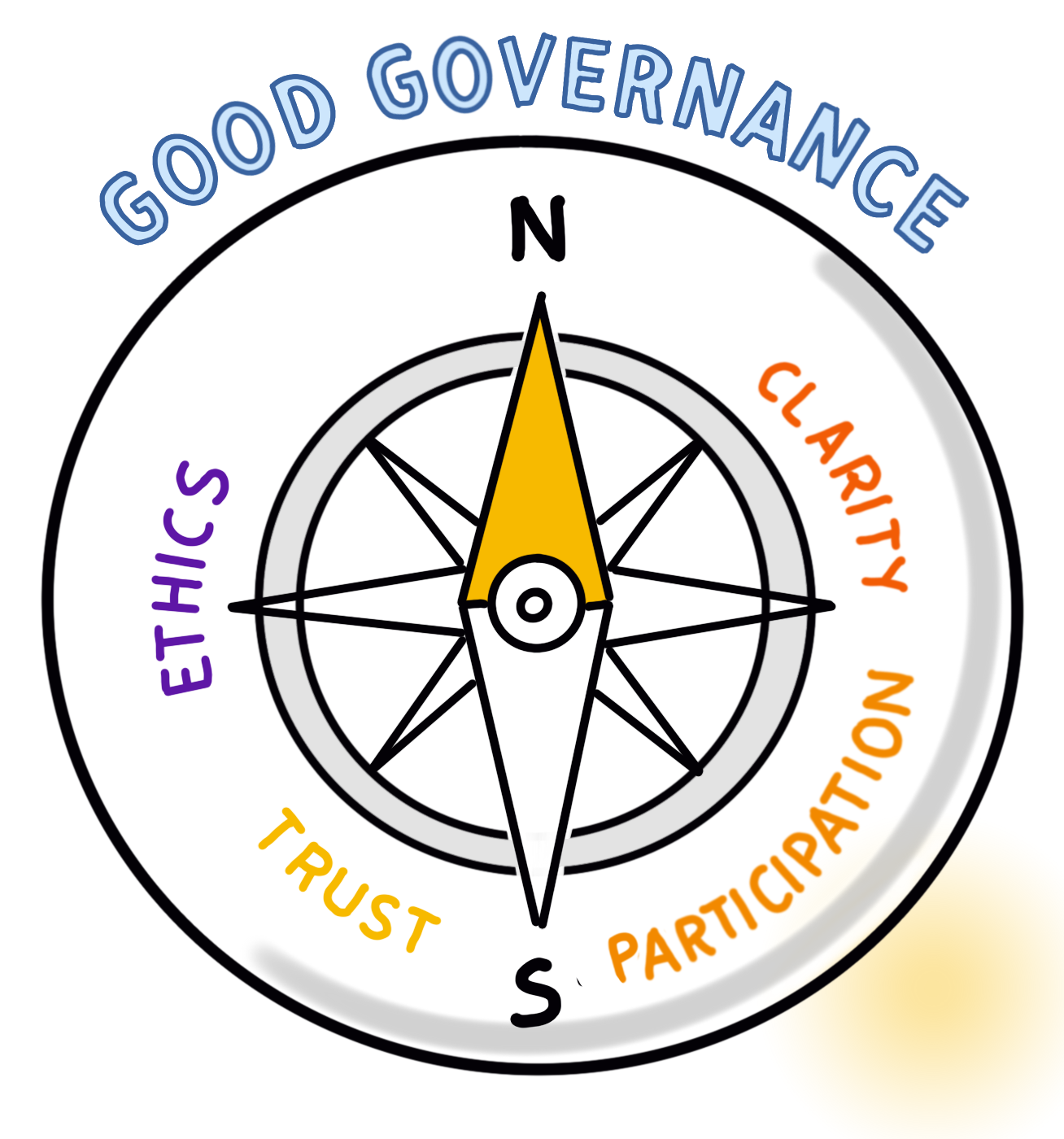
Indicators include:
- Ethical frameworks and decision-making processes
- Transparency and communication
- Customer trust and loyalty
- Employee turnover and engagement
- Leading by example
A Bhutanese leader once reflected: “Good governance is when you can sleep well at night — because you’ve done right by your people.”
A new paradigm for business
The GNH approach doesn’t replace existing CSR or ESG tools — it enriches them. It brings soul to strategy, depth to performance, and balance to success.
What if performance also meant caring — for people, for the planet, for connection?
What small, intentional action could bring your organization into closer alignment with your values — starting tomorrow?

